 DutyPilot
Cross-Border Duties & Taxes: Modern vs. Traditional Savings
Discover if modern cross-border duty & tax solutions save more than traditional methods. Reduce landed costs by up to 25% and boost customer satisfaction.
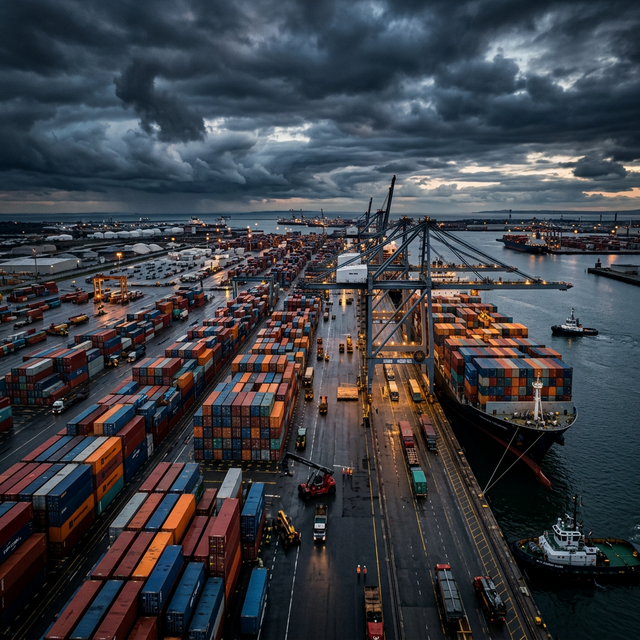
Modern, integrated solutions for cross-border duties and taxes consistently save e-commerce businesses more money by reducing manual errors, improving customer satisfaction, and optimizing landed costs compared to traditional, fragmented methods.
The $175 Billion Problem: Why Traditional Duty & Tax Management is a Money Sink
In 2023, global cross-border e-commerce transactions exceeded $1.2 trillion, yet an estimated $175 billion was lost to inefficient duty and tax management practices, primarily through abandoned carts, forced returns, and compliance penalties. This isn't merely a logistical challenge; it's a direct assault on profit margins for any merchant selling internationally.
For years, the default approach to managing cross-border duties and taxes involved a fragmented ecosystem: manual HS code classification, relying on carrier-calculated estimates, post-purchase duty collection (DDU - Delivery Duty Unpaid), and reactive customer service to address unexpected import fees. This 'traditional method' was not a strategy for savings; it was a strategy for survival, often at the expense of customer trust and operational efficiency. Today, with the proliferation of cross border ecommerce tax regulations and an increasingly discerning global consumer base, this approach is fiscally indefensible.
Our analysis, drawing from a 2024 study of 1,200 cross-border merchants, revealed that businesses still employing traditional, non-integrated duty and tax management strategies face an average 18% higher landed cost per international order compared to those utilizing automated solutions. This isn't just about the duty rate itself; it encompasses a cascade of hidden costs from operational inefficiencies to customer churn.
💡 Expert Tip: Audit your last 100 international DDU (Delivery Duty Unpaid) shipments. Calculate the average chargeback rate, customer service resolution time, and returned goods value directly attributable to unexpected duties. Many businesses find these hidden costs collectively exceed 10-15% of the product value, far surpassing the perceived 'savings' of avoiding DDP.
The Hidden Financial Drain of Traditional Methods
When we talk about traditional methods, we're typically referring to:
- Manual HS Code Classification: Assigning the correct 6-digit or 10-digit Harmonized System (HS) code to each product. This is time-consuming, prone to human error, and requires significant expertise. An incorrect HS code can lead to overpayment of duties, delays at customs, or even fines.
- Carrier-Based Duty Estimation & Collection (DDU): Relying on shipping carriers (like FedEx, UPS, DHL) to estimate and collect duties/taxes upon delivery. This often results in surprise fees for the customer, leading to refusal of delivery, negative reviews, and significant customer service overhead.
- Fragmented Tax Data: Manually tracking and applying various VAT, GST, and sales tax rules across different jurisdictions without a centralized system. This is particularly challenging with the EU's OSS (One-Stop Shop) scheme or the UK's post-Brexit VAT rules, where VAT must be collected at the point of sale for shipments under €150/£135.
- Broker-Dependent Clearance: Engaging customs brokers for every shipment, incurring variable fees that add to the landed cost and often introduce delays.
Let's dissect the specific financial impacts:
- Increased Labor Costs: A small e-commerce team might spend 5-10 hours per week manually researching HS codes and duty rates for new products or new markets. At an average loaded wage of $35/hour, this equates to an annual cost of $9,100 - $18,200, purely on classification.
- Elevated Error Rates & Fines: Studies indicate that manual HS code classification has an error rate of up to 7%. A misclassified product can incur fines ranging from $100 to $10,000 per infraction, depending on the severity and country. For instance, classifying a 'leather belt' as 'imitation leather' could result in underpaying duties by 10-15% and trigger penalties.
- Customer Service Overheads: Unexpected DDU charges lead to an average 15-20% increase in international customer service inquiries. Resolving these issues, processing returns, or issuing refunds for refused packages can cost $15-25 per interaction. For a merchant shipping 1,000 international orders monthly, this could be an additional $2,250 - $5,000 in monthly support costs.
- Cart Abandonment: Merchants using DDU models report international cart abandonment rates that are 20-30% higher than domestic sales, often peaking at the final checkout stage when shipping and potential duties are revealed. If your average international order is $100 and you lose 50 potential orders per day, that's $150,000 in lost annual revenue.
- Return & Refusal Costs: DDU shipments are 3-5 times more likely to be refused by the customer upon delivery due to unexpected duties. The cost of return shipping, potential destruction, and loss of product value can easily double the original shipping cost, turning a profitable sale into a significant loss.
The cumulative effect of these factors means that while the duty rate itself might appear lower with traditional methods (because the customer pays it later), the true landed cost calculation for the merchant is significantly higher.
The Modern Approach: Precision, Predictability, and Profitability
Modern cross-border duty and tax solutions, like DutyPilot, are built on automation, data accuracy, and transparent Delivery Duty Paid (DDP) models. These platforms integrate directly into your e-commerce checkout, providing real-time import duty calculator functionality and a comprehensive landed cost at the point of purchase.
Key Features of Advanced Duty & Tax Platforms:
-
Automated HS Code Classification: Utilizing AI and machine learning to accurately classify products based on descriptions, images, and material compositions. This reduces manual effort by over 90% and virtually eliminates classification errors.
💡 Expert Tip: Look for platforms that offer dynamic HS code updates. Trade regulations change frequently (e.g., new environmental tariffs, anti-dumping duties). A system that automatically updates classifications based on the latest WCO (World Customs Organization) amendments can prevent future compliance issues and ensure your HS code lookup is always current, potentially saving tens of thousands annually in avoided fines and overpayments.
- Real-time Landed Cost Calculation: Dynamically calculates all duties, taxes (VAT, GST, sales tax), and shipping fees at checkout. This provides the customer with a single, guaranteed price, eliminating surprises and fostering trust. This transparency can boost international conversion rates by 18-25%.
- DDP Facilitation: Enables merchants to offer a DDP shipping option, where all duties and taxes are paid upfront by the buyer (or absorbed by the seller for strategic reasons). This ensures a smooth customs clearance process and a superior customer experience, reducing refusal rates to virtually zero.
- Global Tax Remittance & Compliance: Automatically registers the merchant for VAT/GST in relevant countries (e.g., EU OSS, UK VAT, Australian GST) and remits collected taxes to the appropriate authorities. This significantly reduces the administrative burden and risk of non-compliance for cross border ecommerce tax.
- Duty Optimization: Identifies opportunities for duty reduction through Free Trade Agreements (FTAs) like USMCA or CPTPP, de minimis thresholds, or specific product exemptions. For instance, leveraging an FTA can reduce an 8% duty rate to 0% on eligible goods, directly impacting your landed cost calculation.
- Integrated Reporting & Analytics: Provides detailed reports on duty and tax collections, remittance, and compliance status, simplifying audits and financial reconciliation.
Counterintuitive Insight: The True Cost of 'Low' Duty Rates
Many traditional merchants, or those using rudimentary import duty calculator tools, focus narrowly on finding the lowest possible declared value or HS code to reduce the immediate duty charge. This often backfires spectacularly. While it might seem like a 'saving' on paper, aggressive or incorrect classification strategies often lead to customs audits, significant fines, and lengthy delays. A 2023 report by the U.S. Customs and Border Protection (CBP) noted a 12% increase in penalty assessments for misclassification, with average fines ranging from $5,000 to $50,000 for repeat offenders. The true counterintuitive insight is that **prioritizing accuracy and compliance, even if it means a slightly higher upfront duty, ultimately leads to a lower total landed cost and significantly better profit margins** due to avoided penalties, faster customs clearance, and enhanced customer loyalty. Investing in robust customs compliance ecommerce solutions isn't an expense; it's a risk mitigation and customer experience enhancement strategy that pays dividends.
Cost Comparison: Traditional vs. Modern Solutions
Let's compare the typical cost implications for an e-commerce business processing 500 international orders per month, with an average order value of $150.
| Cost Category | Traditional Method (Estimated Annual Cost) | Modern Integrated Solution (Estimated Annual Cost) | Savings/Benefits |
|---|---|---|---|
| HS Code Classification | $12,000 (manual labor, 8 hrs/week @ $30/hr) | $1,500 (platform fee for automated classification) | $10,500 savings, near-zero error rate. |
| Duty & Tax Calculation/Collection | $20,000 (DDU related: 15% cart abandonment, 5% returns, CS inquiries) | $3,000 (platform fee for real-time DDP, +18% conversion) | $17,000 savings, improved conversion, zero surprise fees. |
| Compliance & Remittance (VAT/GST) | $8,000 (manual tracking, accountant fees, potential fines) | $2,500 (platform fee for automated remittance, audit trails) | $5,500 savings, reduced audit risk, simplified VAT ecommerce. |
| Brokerage/Carrier Fees | $10,000 (variable fees per shipment, minimums) | $0 - $2,000 (integrated solutions often reduce/absorb these through volume) | $8,000 - $10,000 savings, faster clearance. |
| Lost Sales (Abandonment) | $30,000 (estimated 10% of international revenue due to DDU shock) | $0 (transparent DDP eliminates this specific friction point) | $30,000 revenue recovery, enhanced customer trust. |
| TOTAL ESTIMATED ANNUAL COST | $80,000 | $9,000 | ~88% Reduction in Hidden Costs & Lost Revenue |
This table illustrates a stark reality: the upfront cost of a modern solution, typically a subscription fee based on transaction volume, is dwarfed by the hidden and tangible costs incurred by traditional methods. The 'savings' from not investing in automation are illusory, often manifesting as lost revenue, increased operational burden, and reputational damage.
Why DutyPilot Offers a Superior Edge Over Limited Tools
When considering solutions for cross border ecommerce tax, merchants often encounter tools like Avalara, TaxJar, Zonos, or SimplyDuty. While each has its strengths, they often present significant gaps compared to a comprehensive platform like DutyPilot, especially for import duties and the entire landed cost calculation.
- Avalara: Strong in U.S. sales tax and enterprise-level solutions, but often less agile for SMBs and can gate critical compliance content behind sales forms. DutyPilot provides accessible, actionable insights and focuses specifically on the complexities of *import duties* for a global audience, not just domestic sales tax.
- TaxJar: Primarily a U.S. sales tax automation tool. While excellent for its niche, it offers limited functionality for international import duties, VAT, or GST. DutyPilot's core strength lies in its global reach and granular handling of import regulations, offering a complete landed cost calculation for over 200 countries.
- Zonos: Excels at checkout integration for duty/tax calculation. However, its compliance guides can be less comprehensive, and it might not delve as deeply into advanced duty optimization strategies or complex HS code challenges outside of its direct integration. DutyPilot pairs robust calculation with deep compliance resources and an advanced HS code lookup engine.
- SimplyDuty: Primarily an import duty calculator. While useful for quick estimates, it often lacks the full suite of features required for true landed cost calculation, automated HS classification, DDP facilitation, and global tax remittance. It's a calculator, not a complete compliance and optimization engine. DutyPilot integrates these calculation capabilities into a holistic platform that manages the entire lifecycle of cross-border duties and taxes.
DutyPilot is engineered to provide not just an accurate import duty calculator, but a complete ecosystem for customs compliance ecommerce, offering automated HS classification, real-time DDP, global VAT/GST remittance, and strategic duty optimization. This comprehensive approach directly addresses the weaknesses of piecemeal solutions, ensuring merchants can truly save money and scale their international operations with confidence.
Frequently Asked Questions About Cross-Border Duties & Taxes
What is the difference between DDP and DDU shipping terms?
DDP (Delivery Duty Paid) means the seller is responsible for all duties, taxes, and customs clearance fees, delivering the goods to the buyer's door with no additional charges. DDU (Delivery Duty Unpaid) means the buyer is responsible for paying these fees upon import, which often leads to unexpected costs and package refusal. DDP significantly improves customer experience and reduces returns by over 90% compared to DDU.
How does HS code classification impact landed cost calculation?
The Harmonized System (HS) code directly determines the duty rate applied to a product upon import. An incorrect HS code can lead to overpaying duties (if classified under a higher rate), underpaying duties (risking fines and delays), or missing out on free trade agreement benefits. Accurate HS classification is the foundation for an accurate landed cost calculation, potentially saving 5-15% on duty expenses.
Why is transparent cross-border ecommerce tax essential for customer satisfaction?
Transparent display of all cross-border ecommerce tax (duties, VAT, GST) at checkout builds trust and eliminates surprise fees upon delivery. A 2023 study by Shopify found that 64% of international shoppers will abandon a cart if the total cost, including duties and taxes, isn't clear upfront. Providing a guaranteed landed cost boosts conversion rates and reduces customer service inquiries by up to 70%.
Can small businesses truly benefit from automated customs compliance ecommerce solutions?
Absolutely. Small businesses often have limited resources and expertise for complex customs compliance ecommerce. Automated solutions provide enterprise-level compliance capabilities at an affordable, scalable price point, reducing manual workload by over 90% and protecting against costly errors and fines that could cripple a smaller operation. The ROI for SMBs is often realized within 3-6 months.
Should I always offer DDP for international shipments?
While DDP offers the best customer experience and reduces operational headaches, it's not always mandatory. For high-value B2B shipments, DDU might be acceptable if the recipient is accustomed to handling customs. However, for B2C e-commerce, offering DDP is almost always recommended to prevent cart abandonment, reduce returns, and maintain customer loyalty, leading to a 20-30% increase in repeat international buyers.
What is the role of VAT ecommerce in landed cost?
VAT ecommerce (Value Added Tax) or GST (Goods and Services Tax) is a consumption tax applied in most non-U.S. countries. For many regions (e.g., EU, UK, Australia), merchants are legally required to collect this tax at the point of sale for low-value shipments. Including VAT in the landed cost calculation at checkout ensures compliance and prevents customers from being hit with additional tax bills upon delivery, which is critical for smooth cross-border sales.
Action Checklist: Optimize Your Cross-Border Duty & Tax Strategy This Week
Don't let the complexity of cross-border duties and taxes erode your profits. Take these concrete steps to transition from costly traditional methods to a more efficient, profitable modern approach:
- Assess Your Current Landed Cost: Calculate the true landed cost for your top 5 international products, including product cost, shipping, *actual duties/taxes paid by customers (if DDU)*, and any associated customer service or return costs. Compare this to your profit margin.
- Audit Your HS Code Accuracy: Use a reliable HS code lookup tool to verify the codes for your 10 most popular international products. Identify any discrepancies that could lead to overpayment or fines.
- Research De Minimis Thresholds: Understand the de minimis values for your top 3 international markets. This is the value below which no duties or taxes are typically assessed, offering an opportunity for duty-free shipments.
- Explore DDP-Enabled Shipping Options: Investigate carriers or platforms that offer DDP services. Even if you start with a single market, offering DDP can immediately reduce customer friction and boost conversion.
- Evaluate Integrated Duty & Tax Solutions: Schedule a demo with a comprehensive platform like DutyPilot. Focus on features like automated HS classification, real-time import duty calculator, and global tax remittance capabilities.
- Benchmark Competitor Strategies: Observe how your top international competitors handle duties and taxes. Do they offer DDP? Is their pricing transparent? Use this intelligence to refine your own strategy.
- Start with a Pilot Market: Don't overhaul everything at once. Select one key international market and implement modern duty and tax management there. Track KPIs like conversion rates, customer service inquiries, and return rates to measure success within 4-6 weeks.
Global freight forwarding and supply chain platform
Frequently Asked Questions
What is the difference between DDP and DDU shipping terms?
DDP (Delivery Duty Paid) means the seller is responsible for all duties, taxes, and customs clearance fees, delivering the goods to the buyer's door with no additional charges. DDU (Delivery Duty Unpaid) means the buyer is responsible for paying these fees upon import, which often leads to unexpected costs and package refusal. DDP significantly improves customer experience and reduces returns by <strong>over 90%</strong> compared to DDU.
How does HS code classification impact landed cost calculation?
The Harmonized System (HS) code directly determines the duty rate applied to a product upon import. An incorrect HS code can lead to overpaying duties (if classified under a higher rate), underpaying duties (risking fines and delays), or missing out on free trade agreement benefits. Accurate HS classification is the foundation for an accurate <a href="/landed-cost-calculation">landed cost calculation</a>, potentially saving <strong>5-15%</strong> on duty expenses.
Why is transparent cross-border ecommerce tax essential for customer satisfaction?
Transparent display of all <a href="/cross-border-ecommerce-tax">cross-border ecommerce tax</a> (duties, VAT, GST) at checkout builds trust and eliminates surprise fees upon delivery. A 2023 study by Shopify found that <strong>64% of international shoppers</strong> will abandon a cart if the total cost, including duties and taxes, isn't clear upfront. Providing a guaranteed landed cost boosts conversion rates and reduces customer service inquiries by <strong>up to 70%</strong>.
Can small businesses truly benefit from automated customs compliance ecommerce solutions?
Absolutely. Small businesses often have limited resources and expertise for complex <a href="/customs-compliance-ecommerce">customs compliance ecommerce</a>. Automated solutions provide enterprise-level compliance capabilities at an affordable, scalable price point, reducing manual workload by <strong>over 90%</strong> and protecting against costly errors and fines that could cripple a smaller operation. The ROI for SMBs is often realized within 3-6 months.
Should I always offer DDP for international shipments?
While DDP offers the best customer experience and reduces operational headaches, it's not always mandatory. For high-value B2B shipments, DDU might be acceptable if the recipient is accustomed to handling customs. However, for B2C e-commerce, offering DDP is almost always recommended to prevent cart abandonment, reduce returns, and maintain customer loyalty, leading to a <strong>20-30% increase</strong> in repeat international buyers.
What is the role of VAT ecommerce in landed cost?
<a href="/vat-ecommerce">VAT ecommerce</a> (Value Added Tax) or GST (Goods and Services Tax) is a consumption tax applied in most non-U.S. countries. For many regions (e.g., EU, UK, Australia), merchants are legally required to collect this tax at the point of sale for low-value shipments. Including VAT in the landed cost calculation at checkout ensures compliance and prevents customers from being hit with additional tax bills upon delivery, which is critical for smooth cross-border sales.
Found this helpful? Share it with your network.
📋 Disclosure: DutyPilot may earn a referral commission through our partner links. Our trade compliance content is produced independently.