 DutyPilot
5 Ways to Reduce Customs Duty Costs: Save $1000s
Slash customs duty costs for your e-commerce business! Discover 5 actionable strategies to save thousands. Learn how to reduce cross-border taxes now!
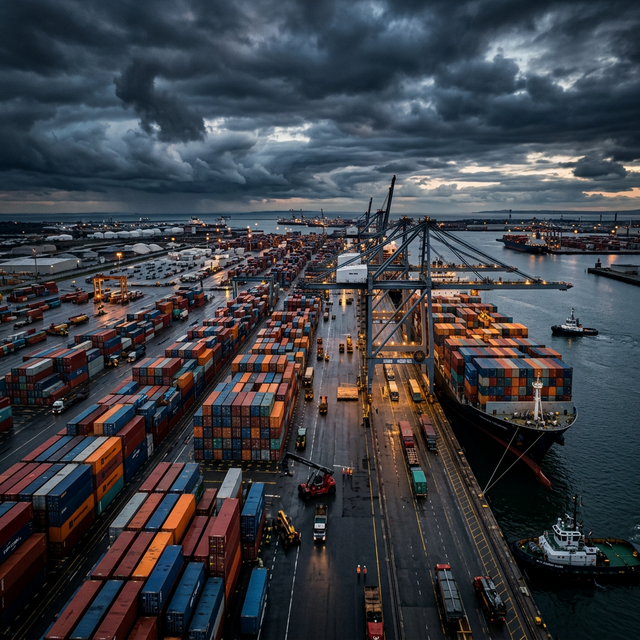
Reducing customs duty costs can significantly improve the profitability of your e-commerce business. Overpaying duties is like leaving money on the table – money that could be reinvested in growth, marketing, or product development. Here are five proven strategies to minimize these expenses and gain a competitive edge.
1. Master HS Code Classification
The Harmonized System (HS) code is the foundation of international trade. It's a standardized system of names and numbers used worldwide to classify traded products. Incorrect HS code classification is one of the most common—and costly—mistakes e-commerce businesses make.
Why is it so critical? The HS code directly determines the duty rate applied to your goods. A seemingly minor error can lead to a significantly higher duty assessment. For example, misclassifying a "polyester shirt" could mean the difference between a 8% duty rate and a 16% duty rate. Over time, these small differences add up, costing your business thousands of dollars.
How to get it right:
- Use a reliable HS code lookup tool: Don't rely on guesswork. Tools like the official Harmonized Tariff Schedule (HTS) database from the U.S. International Trade Commission (USITC) are a great start. However, they can be complex. DutyPilot offers a user-friendly HS code lookup tool integrated with up-to-date tariff schedules for major markets.
- Consult with a customs broker: A licensed customs broker is an expert in HS code classification. They can review your product descriptions and provide accurate classifications, ensuring compliance and minimizing duty costs.
- Maintain detailed product records: Keep accurate records of your product specifications, materials, and intended use. This documentation will be invaluable when classifying your goods and defending your classifications in the event of a customs audit.
💡 Expert Tip: When classifying goods, always err on the side of caution. If you're unsure about the correct HS code, it's better to seek professional advice than to risk misclassification and potential penalties.
2. Leverage Free Trade Agreements (FTAs)
Free Trade Agreements (FTAs) are agreements between two or more countries to reduce or eliminate tariffs and other trade barriers. If you're importing goods from a country that has an FTA with your target market, you may be eligible for preferential duty rates – sometimes even 0%!
Examples of valuable FTAs:
- USMCA (United States-Mexico-Canada Agreement): Replaced NAFTA and offers significant duty savings for trade within North America.
- CETA (Comprehensive Economic and Trade Agreement): An agreement between Canada and the European Union.
- CPTPP (Comprehensive and Progressive Agreement for Trans-Pacific Partnership): An agreement between 11 countries in the Asia-Pacific region.
How to take advantage of FTAs:
- Determine eligibility: Not all products qualify for FTA benefits. The product must meet specific rules of origin requirements, which dictate where the product was manufactured or substantially transformed.
- Obtain a certificate of origin: To claim FTA benefits, you'll typically need a certificate of origin from the exporter or manufacturer. This document certifies that the goods meet the rules of origin requirements.
- Declare FTA preference on your customs declaration: When you import the goods, be sure to declare that you're claiming FTA preference on your customs declaration.
It is crucial to understand the specific requirements of each FTA, as they can vary significantly. Neglecting to properly document your goods can result in denied preferential treatment and unexpected duty costs. A 2023 analysis by the International Chamber of Commerce found that nearly 40% of businesses fail to fully utilize available FTA benefits due to lack of awareness or administrative complexity.
3. Optimize Your Shipping Strategy
Your shipping strategy can have a significant impact on your customs duty costs. Here's how to optimize it:
- Consolidate shipments: Whenever possible, consolidate multiple small shipments into a single larger shipment. This can reduce your overall shipping costs and potentially lower your duty assessment, as some countries offer duty exemptions for low-value shipments.
- Choose the right incoterms: Incoterms (International Commercial Terms) define the responsibilities of the buyer and seller in an international transaction, including who is responsible for paying duties and taxes. Choosing the right incoterm can help you control your duty costs. For example, using Delivered Duty Paid (DDP) gives you full control over the import process and allows you to manage duty payments directly.
- Accurate valuation: Ensure the declared value of your goods is accurate and justifiable. Customs authorities will scrutinize undervalued shipments, and you could face penalties if they believe you're trying to evade duties. The declared value should include the cost of the goods, insurance, and freight.
💡 Expert Tip: Consider using a bonded warehouse. Storing your goods in a bonded warehouse allows you to defer duty payments until the goods are actually released for sale. This can improve your cash flow and reduce your overall duty burden.
4. Duty Drawback Programs
Duty drawback programs allow you to recover duties paid on imported goods that are subsequently exported or used in the production of exported goods. This can be a significant cost-saving opportunity for e-commerce businesses that export a portion of their products or use imported components in their manufacturing process.
Types of duty drawback:
- Direct identification drawback: This allows you to claim a refund of duties paid on imported goods that are directly used in the production of exported goods.
- Substitution drawback: This allows you to claim a refund of duties paid on imported goods that are substituted with similar domestic goods in the production of exported goods.
How to take advantage of duty drawback:
- Determine eligibility: Review the duty drawback regulations in your country to determine if your products and activities qualify.
- Maintain detailed records: Keep accurate records of your import and export transactions, including invoices, bills of lading, and customs declarations.
- File a drawback claim: Prepare and submit a drawback claim to the customs authorities, providing all the required documentation. This process can be complex, so consider seeking assistance from a customs broker or duty drawback specialist.
5. Proactive Customs Compliance
While it may seem counterintuitive, investing in customs compliance can actually save you money in the long run. Non-compliance can result in costly penalties, delays, and even seizure of your goods.
Key elements of proactive customs compliance:
- Regular audits: Conduct regular internal audits of your import and export processes to identify potential compliance gaps.
- Training: Provide ongoing training to your employees on customs regulations and compliance procedures.
- Stay up-to-date: Customs regulations are constantly evolving. Stay informed about the latest changes and updates by subscribing to industry publications and attending customs seminars.
Why DutyPilot vs. Competitors?
While solutions like Avalara and TaxJar offer broad tax compliance features, they often lack the depth and specialization needed for cross-border e-commerce duty optimization. Zonos focuses primarily on checkout integration, leaving businesses exposed to compliance risks pre- and post-sale. SimplyDuty is a useful calculator but doesn't provide comprehensive compliance guidance. DutyPilot, on the other hand, offers a holistic solution encompassing HS code classification, FTA eligibility checks, duty drawback assistance, and proactive compliance tools — all in one platform.
| Feature | DutyPilot | Avalara | Zonos | SimplyDuty |
|---|---|---|---|---|
| HS Code Classification | ✅ Comprehensive, AI-powered | Limited | Basic | Calculator only |
| FTA Eligibility Check | ✅ Integrated | Limited | No | No |
| Duty Drawback Support | ✅ Expert assistance | No | No | No |
| Compliance Tools | ✅ Proactive risk assessment | Limited | Limited | No |
| Pricing | Tiered, scalable | Enterprise-focused | Transaction-based | Pay-per-calculation |
FAQ: Customs Duty for E-commerce
- What is the most common reason for overpaying customs duties?
- The most common reason for overpaying customs duties is incorrect HS code classification. A seemingly small error in classification can lead to a significantly higher duty rate, resulting in substantial overpayments over time. Utilizing tools like DutyPilot's HS code lookup or consulting with a customs broker can prevent these costly mistakes.
- How can free trade agreements help reduce duty costs?
- Free Trade Agreements (FTAs) reduce or eliminate tariffs between participating countries. If your goods qualify under the FTA's rules of origin, you can claim preferential duty rates, potentially reducing your duty costs to zero. Always verify eligibility and obtain the necessary certificate of origin.
- Why is accurate valuation important for customs?
- Accurate valuation is critical because customs duties are calculated as a percentage of the declared value of your goods. Understating the value to evade duties is illegal and can result in penalties, delays, and seizure of goods. The declared value must include the cost of the goods, insurance, and freight.
- What are Incoterms, and how do they affect duty payments?
- Incoterms (International Commercial Terms) define the responsibilities of buyers and sellers in international transactions, including who pays duties. Choosing Delivered Duty Paid (DDP), for instance, means the seller covers all duties and taxes, giving you control over the process. Selecting the right Incoterm ensures clarity and avoids unexpected costs.
- How often should I review my HS code classifications?
- You should review your HS code classifications at least annually, or whenever there are changes to the Harmonized System or tariff schedules. Customs regulations are constantly evolving, and staying up-to-date is essential for maintaining compliance and avoiding penalties. DutyPilot automatically updates its HS code database to reflect these changes.
- Can I recover duties paid on imported goods that I later export?
- Yes, duty drawback programs allow you to recover duties paid on imported goods that are subsequently exported or used in the production of exported goods. This can be a significant cost-saving opportunity for e-commerce businesses that export a portion of their products or use imported components in their manufacturing process. Eligibility requirements vary by country, so consult with a customs broker or duty drawback specialist.
Action Checklist: Reduce Duty Costs This Week
- Monday: Use DutyPilot's HS code lookup tool to verify the accuracy of the HS codes for your top 5 best-selling products.
- Tuesday: Identify which countries you import from and research any applicable Free Trade Agreements (FTAs).
- Wednesday: Contact your customs broker to discuss your current shipping strategy and identify potential optimizations.
- Thursday: Investigate whether your business is eligible for duty drawback programs in your country.
- Friday: Schedule a customs compliance training session for your team.
Global freight forwarding and supply chain platform
Frequently Asked Questions
What is the most common reason for overpaying customs duties?
The most common reason for overpaying customs duties is incorrect HS code classification. A seemingly small error in classification can lead to a significantly higher duty rate, resulting in substantial overpayments over time. Utilizing tools like DutyPilot's HS code lookup or consulting with a customs broker can prevent these costly mistakes.
How can free trade agreements help reduce duty costs?
Free Trade Agreements (FTAs) reduce or eliminate tariffs between participating countries. If your goods qualify under the FTA's rules of origin, you can claim preferential duty rates, potentially reducing your duty costs to zero. Always verify eligibility and obtain the necessary certificate of origin.
Why is accurate valuation important for customs?
Accurate valuation is critical because customs duties are calculated as a percentage of the declared value of your goods. Understating the value to evade duties is illegal and can result in penalties, delays, and seizure of goods. The declared value must include the cost of the goods, insurance, and freight.
What are Incoterms, and how do they affect duty payments?
Incoterms (International Commercial Terms) define the responsibilities of buyers and sellers in international transactions, including who pays duties. Choosing Delivered Duty Paid (DDP), for instance, means the seller covers all duties and taxes, giving you control over the process. Selecting the right Incoterm ensures clarity and avoids unexpected costs.
How often should I review my HS code classifications?
You should review your HS code classifications at least annually, or whenever there are changes to the Harmonized System or tariff schedules. Customs regulations are constantly evolving, and staying up-to-date is essential for maintaining compliance and avoiding penalties. DutyPilot automatically updates its HS code database to reflect these changes.
Can I recover duties paid on imported goods that I later export?
Yes, duty drawback programs allow you to recover duties paid on imported goods that are subsequently exported or used in the production of exported goods. This can be a significant cost-saving opportunity for e-commerce businesses that export a portion of their products or use imported components in their manufacturing process. Eligibility requirements vary by country, so consult with a customs broker or duty drawback specialist.
Found this helpful? Share it with your network.
📋 Disclosure: DutyPilot may earn a referral commission through our partner links. Our trade compliance content is produced independently.