 DutyPilot
Customs Broker Career Guide: Earn $90K+ in 2026
Your ultimate customs broker career guide for 2024! Learn about salaries, licensing, job outlook, and how to earn $90K+ in international trade.
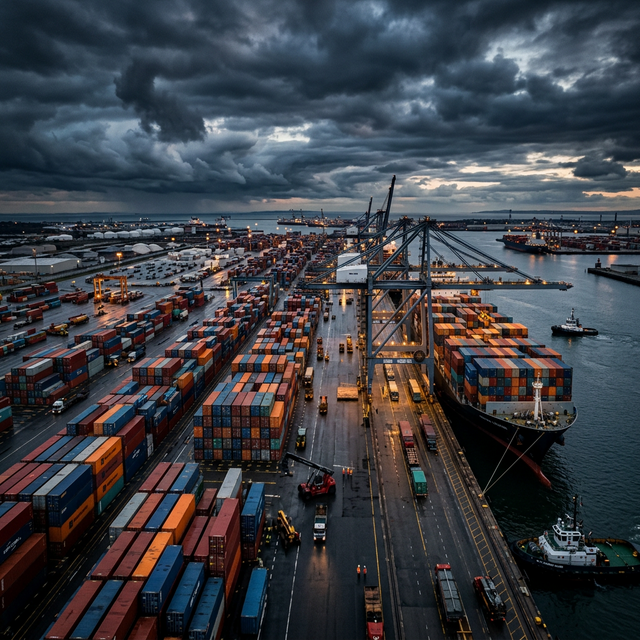
The world of international trade is complex, but it’s also incredibly vital. As global commerce continues to expand, the demand for skilled customs brokers is on the rise. If you're looking for a stable, well-compensated career with opportunities for growth, becoming a customs broker might be the perfect fit. According to the Bureau of Labor Statistics, the median annual salary for transportation, storage, and distribution managers (which includes customs brokers) was $98,570 in May 2023. And with continued growth in international trade, experienced brokers can realistically aim for $90,000+ by 2026.
What is a Customs Broker?
A customs broker is a licensed professional who assists importers and exporters in complying with customs regulations. They act as intermediaries between their clients and government agencies, ensuring that goods are cleared for import or export efficiently and legally. Customs brokers need a deep understanding of tariff schedules, trade agreements, and compliance regulations.
Key Responsibilities of a Customs Broker:
- Preparing and submitting necessary documentation to customs authorities.
- Calculating and paying duties, taxes, and fees.
- Advising clients on import and export regulations.
- Ensuring compliance with all applicable laws and regulations.
- Coordinating the movement of goods across borders.
- Keeping up-to-date with changes in trade laws and regulations.
Customs Broker Career Outlook: High Demand and Growth
The career outlook for customs brokers is promising. As international trade continues to expand, the need for qualified professionals to navigate the complexities of customs regulations will only increase. The Bureau of Labor Statistics projects a 5% growth in employment for transportation, storage, and distribution managers from 2022 to 2032, about average for all occupations. This growth is driven by the increasing volume of international trade and the need for businesses to comply with complex regulations.
💡 Expert Tip: Stay informed about emerging technologies in the industry, such as blockchain and AI-powered solutions. Familiarity with these tools will make you a more valuable asset to potential employers.
Customs Broker Salary Expectations
Salaries for customs brokers can vary depending on experience, education, location, and the size of the company. However, the earning potential is significant. Here’s a general overview of salary expectations:
- Entry-Level: $45,000 - $60,000 per year
- Mid-Career (3-5 years of experience): $60,000 - $80,000 per year
- Experienced (5+ years of experience): $80,000 - $90,000+ per year
Top earners, especially those in management positions or with specialized expertise, can exceed $100,000 per year. Furthermore, benefits packages often include health insurance, retirement plans, and paid time off.
How to Become a Licensed Customs Broker: A Step-by-Step Guide
Becoming a licensed customs broker requires dedication and preparation. Here’s a detailed guide to help you navigate the process:
1. Meet the Eligibility Requirements
To be eligible to take the Customs Broker License Examination (CBLE), you must:
- Be at least 18 years old.
- Be a U.S. citizen (non-citizens can work under a licensed broker).
- Not be an officer or employee of the U.S. government.
2. Study for the Customs Broker License Examination (CBLE)
The CBLE is a challenging exam that requires a thorough understanding of customs regulations, tariff schedules, and trade laws. It is administered by U.S. Customs and Border Protection (CBP). Effective study strategies include:
- Enroll in a Prep Course: Many reputable courses are available online and in person.
- Review Past Exams: Familiarize yourself with the format and types of questions asked.
- Study Key Resources: Including the Harmonized Tariff Schedule of the United States (HTSUS), the Code of Federal Regulations (CFR), and CBP directives.
💡 Expert Tip: Dedicate at least 3-6 months to studying for the CBLE. Create a structured study plan and stick to it. Consider joining a study group to share knowledge and stay motivated.
3. Pass the Customs Broker License Examination (CBLE)
The CBLE is typically offered twice a year. The exam consists of multiple-choice questions and requires a score of 75% or higher to pass. Be prepared to answer questions on a wide range of topics, including:
- Classification of goods
- Valuation of goods
- Entry procedures
- Customs laws and regulations
- Trade agreements
4. Apply for a Customs Broker License
After passing the CBLE, you must apply for a customs broker license. The application process involves submitting detailed information about your background, qualifications, and business operations. You will also need to undergo a background check.
5. Obtain a Surety Bond
As a licensed customs broker, you are required to obtain a surety bond. This bond protects CBP and your clients in case of errors, omissions, or violations of customs regulations. The amount of the bond depends on the volume and type of business you conduct.
6. Stay Updated on Industry Changes
The world of international trade is constantly evolving. To remain competitive and compliant, it’s essential to stay informed about changes in customs regulations, trade laws, and industry best practices. This can be achieved through:
- Attending industry conferences and seminars.
- Subscribing to trade publications and newsletters.
- Participating in professional organizations.
Essential Skills for a Successful Customs Broker Career
Beyond the technical knowledge required to pass the CBLE, certain soft skills are crucial for success in this field:
- Attention to Detail: Accuracy is paramount when dealing with customs regulations.
- Problem-Solving Skills: Customs brokers often face complex challenges that require creative solutions.
- Communication Skills: Effective communication is essential for interacting with clients, government agencies, and other stakeholders.
- Organizational Skills: Managing multiple shipments and deadlines requires excellent organizational skills.
- Negotiation Skills: Customs brokers often need to negotiate with customs officials to resolve disputes or expedite shipments.
Customs Broker Career Path: Advancement Opportunities
A customs broker career offers various advancement opportunities. Here are a few potential career paths:
- Senior Broker: Manage a larger portfolio of clients and complex shipments.
- Compliance Manager: Oversee the compliance efforts of a brokerage firm.
- Trade Consultant: Provide expert advice to businesses on international trade matters.
- Brokerage Manager: Manage the operations of a customs brokerage office.
- Independent Consultant: Start your own consulting firm and provide specialized services to clients.
Comparison: Customs Broker vs. Freight Forwarder
While customs brokers and freight forwarders both play important roles in international trade, they have distinct responsibilities. Here’s a comparison:
| Feature | Customs Broker | Freight Forwarder |
|---|---|---|
| Licensing | Required by CBP | Not required |
| Primary Role | Ensuring compliance with customs regulations | Arranging the transportation of goods |
| Documentation | Prepares and submits customs documentation | Coordinates shipping documents |
| Responsibilities | Classifying goods, calculating duties, ensuring compliance | Selecting carriers, negotiating rates, tracking shipments |
| Focus | Regulatory compliance | Logistics and transportation |
Tools and Technology in the Customs Broker Industry
Technology plays a crucial role in modern customs brokerage operations. Customs brokers rely on various software and tools to streamline processes, improve accuracy, and enhance efficiency. Some essential tools include:
- Customs Brokerage Software: Automates the preparation and submission of customs documentation.
- Electronic Data Interchange (EDI): Enables the electronic exchange of data between brokers, clients, and government agencies.
- Tracking Systems: Provides real-time visibility into the status of shipments.
- Tariff Classification Databases: Helps brokers accurately classify goods based on the HTSUS.
Additionally, material cost estimation tools like GeoQuote can assist in determining accurate valuations for imported goods, ensuring compliance with customs regulations. And for those looking to break into the field, practicing interview skills is key. An AI-powered interview coaching app like Ace Your Interviews can help you prepare for job interviews and stand out from the competition.
FAQ: Customs Broker Career Guide
What is the hardest part of being a customs broker?
The hardest part of being a customs broker is staying up-to-date with the ever-changing regulations and laws. Continuous learning and adaptation are essential to remain compliant and provide accurate advice to clients.
How long does it take to become a licensed customs broker?
The timeline varies depending on your preparation and study habits. It typically takes 3-6 months to study for the CBLE. After passing the exam, the licensing process can take an additional 2-4 months.
Is a customs broker license worth it?
Yes, a customs broker license is worth it for those seeking a stable and well-compensated career in international trade. Licensed brokers have greater earning potential and more career opportunities than unlicensed professionals.
What are the educational requirements for becoming a customs broker?
There are no specific educational requirements to take the CBLE. However, a bachelor’s degree in a related field, such as international business, logistics, or supply chain management, can be beneficial.
What are the key skills for a customs broker?
Key skills for a customs broker include attention to detail, problem-solving, communication, organization, and negotiation. A strong understanding of customs regulations and trade laws is also essential.
How often is the Customs Broker License Exam offered?
The Customs Broker License Exam (CBLE) is typically offered twice a year, usually in April and October. Check the U.S. Customs and Border Protection (CBP) website for the most up-to-date schedule.
Action Checklist: Launch Your Customs Broker Career
- Research: Thoroughly research the customs broker profession and its requirements.
- Study: Dedicate ample time to studying for the Customs Broker License Examination (CBLE).
- Prepare: Enroll in a prep course and review past exams.
- Apply: Apply for the customs broker license after passing the CBLE.
- Network: Attend industry events and connect with other professionals in the field.
- Stay Informed: Keep up-to-date with changes in customs regulations and trade laws.
Global freight forwarding and supply chain platform
Frequently Asked Questions
What is the hardest part of being a customs broker?
The hardest part of being a customs broker is staying up-to-date with the ever-changing regulations and laws. Continuous learning and adaptation are essential to remain compliant and provide accurate advice to clients.
How long does it take to become a licensed customs broker?
The timeline varies depending on your preparation and study habits. It typically takes 3-6 months to study for the CBLE. After passing the exam, the licensing process can take an additional 2-4 months.
Is a customs broker license worth it?
Yes, a customs broker license is worth it for those seeking a stable and well-compensated career in international trade. Licensed brokers have greater earning potential and more career opportunities than unlicensed professionals.
What are the educational requirements for becoming a customs broker?
There are no specific educational requirements to take the CBLE. However, a bachelor’s degree in a related field, such as international business, logistics, or supply chain management, can be beneficial.
What are the key skills for a customs broker?
Key skills for a customs broker include attention to detail, problem-solving, communication, organization, and negotiation. A strong understanding of customs regulations and trade laws is also essential.
How often is the Customs Broker License Exam offered?
The Customs Broker License Exam (CBLE) is typically offered twice a year, usually in April and October. Check the U.S. Customs and Border Protection (CBP) website for the most up-to-date schedule.
Found this helpful? Share it with your network.
📋 Disclosure: DutyPilot may earn a referral commission through our partner links. Our trade compliance content is produced independently.