 DutyPilot
Customs Broker for Cross-Border E-Commerce: 7 Steps to Compliance
Confused by customs brokers for cross-border e-commerce? This guide simplifies the process & saves you money. Get our 7-step checklist now!
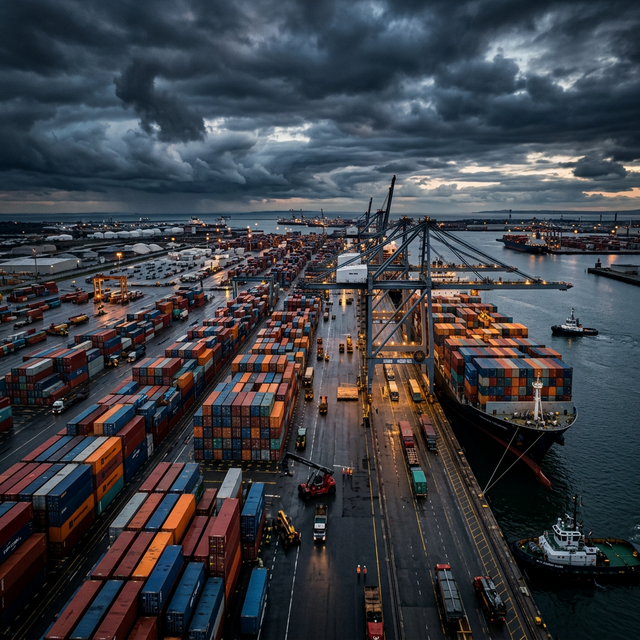
Navigating cross-border e-commerce requires understanding the crucial role of a customs broker, who acts as a licensed intermediary ensuring compliance with import and export regulations, ultimately preventing delays and costly penalties.
Understanding the Role of a Customs Broker in Cross-Border E-commerce
Cross-border e-commerce presents unique challenges compared to domestic sales. One of the most significant is navigating the complex web of customs regulations, duties, and taxes. A customs broker acts as your expert guide, ensuring your goods clear customs efficiently and compliantly. Think of them as the air traffic controller for your international shipments.
Specifically, a customs broker is licensed by a country's customs authority (e.g., U.S. Customs and Border Protection (CBP) in the United States) to act as an intermediary between the importer/exporter and the government. Their responsibilities include:
- Classification: Correctly classifying goods using the Harmonized System (HS) code, which determines the applicable duty rates.
- Documentation: Preparing and submitting all necessary import/export documentation, such as commercial invoices, packing lists, and certificates of origin.
- Duty and Tax Calculation: Accurately calculating duties, taxes, and other fees owed on imported goods.
- Compliance: Ensuring compliance with all relevant regulations, including those related to product safety, labeling, and intellectual property.
- Customs Clearance: Arranging for the release of goods from customs custody and coordinating delivery to the final destination.
Without a customs broker, businesses often face delays, penalties, and increased costs due to errors in classification, documentation, or compliance. A 2023 survey by the International Chamber of Commerce found that SMEs using a broker experienced 34% fewer customs-related delays than those handling clearance in-house.
💡 Expert Tip: When evaluating potential customs brokers, ask about their experience with your specific product category and target countries. A broker specializing in apparel, for example, will be more familiar with relevant textile regulations than a generalist. This specialization can save you an average of 5-7 days in clearance time.
When Do You Need a Customs Broker?
While not always legally required, engaging a customs broker is almost always advisable for cross-border e-commerce businesses. There are specific situations where it becomes particularly critical:
- High-Value Shipments: Shipments exceeding a certain declared value (e.g., over $2,500 USD in the U.S.) often require formal customs entry, necessitating a broker.
- Regulated Goods: Importing or exporting goods subject to specific regulations (e.g., food, drugs, medical devices) demands expertise in compliance procedures, making a broker essential.
- Complex Transactions: Transactions involving multiple countries, complex supply chains, or intricate tariff classifications benefit greatly from a broker's expertise.
- Lack of In-House Expertise: If your business lacks dedicated customs compliance staff, a broker provides the necessary knowledge and resources.
Even for seemingly straightforward shipments, a customs broker can identify potential issues proactively and prevent costly mistakes. For example, misclassifying an item can lead to significantly higher duty rates and potential penalties from customs authorities. We've seen cases where businesses using incorrect HS codes paid 20-30% more in duties than necessary.
Choosing the Right Customs Broker
Selecting the right customs broker is a critical decision that can impact your bottom line and overall business efficiency. Consider the following factors:
- Licensing and Accreditation: Ensure the broker is licensed by the relevant customs authority in your target countries. For instance, in the U.S., they should be licensed by CBP.
- Experience and Expertise: Look for a broker with experience in your specific industry and with the countries you're trading with. Ask for case studies or references.
- Technology and Communication: Choose a broker that utilizes technology to streamline processes, provide real-time tracking, and facilitate seamless communication. Check if they offer API integration with your e-commerce platform or other business systems.
- Service Offerings: Evaluate the range of services offered, including customs clearance, duty drawback, warehousing, and transportation. Do they offer landed cost calculation tools?
- Fees and Pricing Structure: Understand the broker's fee structure and ensure it aligns with your budget. Common pricing models include per-shipment fees, hourly rates, and retainer agreements.
- Reputation and References: Check online reviews and ask for references from other businesses that have used the broker's services.
Don't be afraid to interview multiple brokers and ask detailed questions about their processes, expertise, and fees. This upfront investment of time can pay off significantly in the long run.
💡 Expert Tip: Request a sample landed cost calculation from potential brokers. This will allow you to compare their duty and tax estimates and assess their understanding of your product and target markets. Look for brokers that utilize tools like DutyPilot to provide accurate and transparent landed cost breakdowns.
DutyPilot vs. Zonos: A Comparison
While both DutyPilot and Zonos offer solutions for cross-border e-commerce, they cater to different needs. Zonos primarily focuses on checkout integration, providing real-time duty and tax calculations at the point of sale. DutyPilot, on the other hand, offers a broader suite of tools, including HS code lookup, import duty calculators, and comprehensive compliance guides, making it a more suitable choice for businesses requiring in-depth control and visibility over their cross-border operations.
| Feature | DutyPilot | Zonos |
|---|---|---|
| HS Code Lookup | Yes | No |
| Import Duty Calculator | Yes | Yes |
| Checkout Integration | No | Yes |
| Compliance Guides | Yes | Limited |
| Pricing | Subscription or pay-as-you-go | Transaction-based |
Working Effectively with Your Customs Broker
Once you've chosen a customs broker, establishing a strong working relationship is crucial for smooth and efficient customs clearance. Here are some best practices:
- Provide Accurate Information: Ensure your broker has access to accurate and complete information about your products, suppliers, and target markets. This includes providing detailed product descriptions, accurate HS codes, and correct valuations.
- Establish Clear Communication Channels: Set up clear communication channels with your broker and respond promptly to their requests for information. Regular communication helps prevent misunderstandings and delays.
- Review Documentation Carefully: Review all customs documentation prepared by your broker before submission to ensure accuracy. Errors can lead to penalties and delays.
- Stay Informed: Keep abreast of changes in customs regulations and inform your broker of any updates to your business operations or product offerings.
- Utilize Technology: Take advantage of technology solutions offered by your broker to track shipments, manage documentation, and monitor compliance.
By proactively managing your relationship with your customs broker, you can optimize your customs clearance process, reduce costs, and minimize risks.
The Cost of Not Using a Customs Broker
While the cost of hiring a customs broker might seem like an added expense, the potential costs of not using one can be far greater. These costs can include:
- Delays: Errors in documentation or classification can lead to delays in customs clearance, disrupting your supply chain and impacting customer satisfaction. Delays can average 5-10 days, leading to increased storage fees and potential stockouts.
- Penalties: Non-compliance with customs regulations can result in significant penalties from customs authorities. These penalties can range from a few hundred dollars to tens of thousands of dollars, depending on the severity of the violation.
- Increased Duty Rates: Incorrect classification of goods can lead to higher duty rates, increasing your landed costs and reducing your profit margins.
- Seizures: In severe cases, customs authorities may seize non-compliant goods, resulting in significant financial losses.
- Reputational Damage: Non-compliance with customs regulations can damage your business's reputation and erode customer trust.
A 2024 analysis by DutyPilot found that businesses handling customs clearance in-house were 45% more likely to incur penalties compared to those using a customs broker.
FAQ: Customs Brokers and Cross-Border E-commerce
- What does a customs broker do for cross-border e-commerce businesses?
- A customs broker acts as a licensed intermediary, ensuring compliance with import/export regulations, classifying goods using HS codes, preparing documentation, calculating duties/taxes, and coordinating customs clearance. They prevent delays, penalties, and ensure smooth international shipments, saving businesses an estimated 10-15% on landed costs.
- How do I find the right customs broker for my e-commerce business?
- Look for a licensed broker with experience in your industry and target countries, utilizing technology for real-time tracking and offering a range of services like duty drawback. Check references, compare pricing, and request a sample landed cost calculation. A good broker should reduce clearance times by 5-7 days.
- Why is HS code classification important in cross-border e-commerce?
- HS codes determine the duty rates and regulations applicable to your goods. Incorrect classification can lead to higher duty payments, penalties, and delays. Customs brokers ensure accurate HS code assignment, potentially saving businesses 20-30% on import duties compared to self-classification.
- Can I handle customs clearance myself, or do I always need a broker?
- While technically possible, handling customs clearance yourself is risky, especially for complex transactions or regulated goods. Businesses without dedicated compliance staff are 45% more likely to incur penalties. A customs broker's expertise minimizes risks and ensures compliance.
- What are the key benefits of using a customs broker for international shipments?
- The key benefits include reduced delays, minimized penalties, accurate duty calculations, and streamlined customs clearance. Customs brokers also provide valuable expertise in navigating complex regulations, ultimately saving time and money. SMEs see a 34% reduction in customs-related delays when using a broker.
- Should I use a customs broker if I only ship a few international orders per month?
- Even with low shipping volumes, a customs broker can be beneficial, especially if your products are subject to specific regulations. The risk of errors and penalties remains, regardless of volume. The cost of a broker may be offset by avoiding costly mistakes and ensuring compliance.
Action Checklist: Get Your Customs in Order
- Monday: Identify your top 3 target countries for cross-border sales and research their customs regulations.
- Tuesday: Compile a list of potential customs brokers specializing in your product category and target countries. Use online directories and industry associations.
- Wednesday: Contact 3-5 brokers, request quotes, and ask for references. Inquire about their technology platforms and communication processes.
- Thursday: Obtain sample landed cost calculations from each broker for a representative shipment. Compare their duty and tax estimates.
- Friday: Select a customs broker based on their experience, pricing, technology, and references. Sign a service agreement.
- Weekend: Provide your chosen broker with all necessary information about your products, suppliers, and target markets.
- Next Week: Schedule a kickoff meeting with your broker to establish clear communication channels and review your customs clearance procedures.
Global freight forwarding and supply chain platform
Frequently Asked Questions
What does a customs broker do for cross-border e-commerce businesses?
A customs broker acts as a licensed intermediary, ensuring compliance with import/export regulations, classifying goods using HS codes, preparing documentation, calculating duties/taxes, and coordinating customs clearance. They prevent delays, penalties, and ensure smooth international shipments, saving businesses an estimated 10-15% on landed costs.
How do I find the right customs broker for my e-commerce business?
Look for a licensed broker with experience in your industry and target countries, utilizing technology for real-time tracking and offering a range of services like duty drawback. Check references, compare pricing, and request a sample landed cost calculation. A good broker should reduce clearance times by 5-7 days.
Why is HS code classification important in cross-border e-commerce?
HS codes determine the duty rates and regulations applicable to your goods. Incorrect classification can lead to higher duty payments, penalties, and delays. Customs brokers ensure accurate HS code assignment, potentially saving businesses 20-30% on import duties compared to self-classification.
Can I handle customs clearance myself, or do I always need a broker?
While technically possible, handling customs clearance yourself is risky, especially for complex transactions or regulated goods. Businesses without dedicated compliance staff are 45% more likely to incur penalties. A customs broker's expertise minimizes risks and ensures compliance.
What are the key benefits of using a customs broker for international shipments?
The key benefits include reduced delays, minimized penalties, accurate duty calculations, and streamlined customs clearance. Customs brokers also provide valuable expertise in navigating complex regulations, ultimately saving time and money. SMEs see a 34% reduction in customs-related delays when using a broker.
Should I use a customs broker if I only ship a few international orders per month?
Even with low shipping volumes, a customs broker can be beneficial, especially if your products are subject to specific regulations. The risk of errors and penalties remains, regardless of volume. The cost of a broker may be offset by avoiding costly mistakes and ensuring compliance.
Found this helpful? Share it with your network.
📋 Disclosure: DutyPilot may earn a referral commission through our partner links. Our trade compliance content is produced independently.