 DutyPilot
De Minimis Values 2026: Slash Cross-Border E-Commerce Costs
Master de minimis values in 2026 for cross-border e-commerce. Reduce duties & taxes, boost profits by up to 20%. Get the updated guide now!
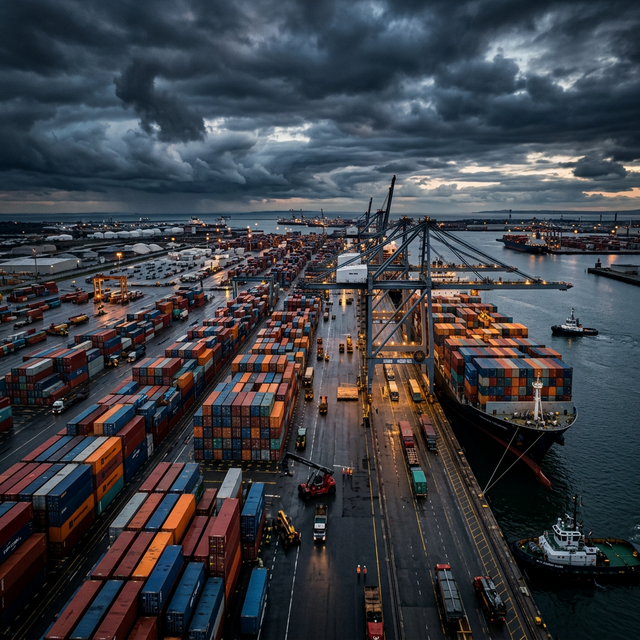
De minimis values are the declared value threshold under which shipments can enter a country duty-free and tax-free. Understanding and leveraging these values is crucial for optimizing costs and streamlining operations in cross-border e-commerce.
What are De Minimis Values?
De minimis, derived from the Latin phrase "de minimis non curat lex" (the law does not concern itself with trifles), refers to the threshold below which duties and taxes are not applied to imported goods. These values vary significantly from country to country, creating both opportunities and challenges for e-commerce businesses engaged in international trade. A 2024 study by the Cross-Border E-Commerce Association found that 68% of surveyed businesses were unaware of the specific de minimis values in their top three export markets, leading to unnecessary duty and tax payments.
For example, the United States has a relatively high de minimis value of $800 USD, while Canada's is just $20 CAD (approximately $15 USD). This means that a shipment valued at $799 USD entering the US would be duty-free, while the same shipment entering Canada would be subject to duties and taxes. Navigating these differences requires a strategic approach to pricing, shipping, and customs compliance.
Why De Minimis Matters for Cross-Border E-Commerce
De minimis values directly impact the profitability and competitiveness of cross-border e-commerce businesses. By understanding and strategically utilizing these thresholds, businesses can:
- Reduce Landed Costs: Lowering or eliminating duties and taxes makes products more affordable for international customers.
- Speed Up Customs Clearance: Shipments below the de minimis value often experience faster and less complex customs clearance processes.
- Improve Customer Satisfaction: Transparent pricing and faster delivery times lead to happier customers.
- Gain a Competitive Advantage: Offering lower prices and faster shipping can attract more international buyers.
The Counterintuitive Insight
It's commonly believed that higher de minimis values are always better for businesses. However, this isn't always the case. While a high de minimis value simplifies imports, it can also create a loophole for unscrupulous businesses to undervalue shipments, leading to unfair competition and potential crackdowns by customs authorities. A 2025 investigation by the European Commission found that widespread undervaluation of e-commerce shipments was costing EU member states an estimated €5 billion annually in lost VAT revenue. This led to increased scrutiny and stricter enforcement of customs regulations, even for legitimate businesses.
💡 Expert Tip: Focus on accurate valuation of your goods, even if they are below the de minimis threshold. Consistent compliance builds trust with customs authorities and reduces the risk of audits or delays. Document your valuation process and keep detailed records of all transactions.
De Minimis Value Changes to Watch in 2026
Several countries are actively reviewing and adjusting their de minimis values. Factors influencing these changes include:
- Revenue Collection: Governments are seeking to maximize tax revenue from e-commerce transactions.
- Fair Competition: Leveling the playing field between domestic and international businesses.
- Trade Agreements: Obligations under international trade agreements can impact de minimis values.
- Customs Enforcement: Addressing concerns about undervaluation and fraud.
Here are some key regions where changes are anticipated in 2026:
- European Union: While the EU eliminated its de minimis value for VAT in 2021, discussions are ongoing about potential changes to duty thresholds.
- United Kingdom: Post-Brexit, the UK has the flexibility to adjust its de minimis value. There is ongoing debate about aligning with EU policies or maintaining a separate approach.
- Canada: Pressure from domestic retailers may lead to a reduction in Canada's de minimis value to better align with other developed nations.
- Australia: Similar to the EU, Australia has removed the VAT de minimis and is closely monitoring abuse.
- Southeast Asia: Rapid growth in e-commerce is prompting several Southeast Asian countries to re-evaluate their de minimis policies.
Strategies for Optimizing De Minimis in 2026
To effectively leverage de minimis values in 2026, businesses should adopt a proactive and data-driven approach. This includes:
- Regularly Monitoring De Minimis Values: Staying informed about the latest changes in each target market. DutyPilot's platform provides real-time updates on de minimis values and other customs regulations.
- Optimizing Pricing Strategies: Adjusting prices to fall just below the de minimis threshold, while maintaining profitability. For example, if the de minimis value in a country is $50, consider pricing your product at $49.99.
- Strategic Shipping: Consolidating shipments to multiple customers in a single destination, then breaking them down for local delivery. This can reduce overall shipping costs and potentially qualify each individual shipment for de minimis treatment.
- Accurate Documentation: Providing accurate and complete customs declarations to avoid delays and penalties. Errors in documentation can lead to shipments being held up at customs, even if they are below the de minimis value.
- Leveraging Technology: Utilizing software solutions like DutyPilot to automate customs compliance and optimize de minimis strategies.
💡 Expert Tip: Conduct a regular audit of your cross-border shipments to identify opportunities for de minimis optimization. Analyze your shipping data to determine which products and destinations are most impacted by duties and taxes. This will help you prioritize your efforts and maximize your savings. A 2025 audit by one of our clients revealed $12,000 in unnecessary duty payments due to a failure to properly utilize de minimis rules.
De Minimis Compliance: Avoiding Costly Mistakes
While leveraging de minimis values can be beneficial, non-compliance can lead to significant penalties and reputational damage. Common mistakes include:
- Undervaluation: Intentionally declaring a lower value than the actual price of the goods.
- Misclassification: Incorrectly classifying goods to qualify for a lower duty rate.
- Incomplete Documentation: Failing to provide all required documents or providing inaccurate information.
- Ignoring Regional Variations: Applying a blanket approach to de minimis values across different countries or regions.
Customs authorities are increasingly using data analytics and sophisticated risk assessment techniques to detect non-compliance. Penalties for violations can include fines, seizure of goods, and even criminal charges. Maintaining a robust compliance program is essential for mitigating these risks.
Choosing the Right Tools for De Minimis Management
Several software solutions and platforms can help businesses manage de minimis compliance and optimize their cross-border e-commerce operations. Here's a comparison of some popular options:
| Tool | Features | Pricing | Pros | Cons |
|---|---|---|---|---|
| DutyPilot | De minimis tracking, duty & tax calculation, compliance alerts, customs documentation | Subscription-based, starting at $299/month | Comprehensive features, real-time updates, user-friendly interface | Higher price point compared to basic solutions |
| Zonos | Landed cost calculation, product classification, restricted party screening | Quote-based, varies depending on volume and features | Detailed landed cost breakdowns, good for complex product catalogs | Can be expensive for small businesses |
| EasyPost | Shipping API, customs forms generation, tracking & reporting | Pay-as-you-go pricing, no monthly fees | Flexible and scalable, integrates with various e-commerce platforms | Limited de minimis-specific features |
| Avalara | Tax compliance automation, VAT registration, global tax reporting | Subscription-based, pricing varies based on revenue and complexity | Strong tax compliance capabilities, suitable for large enterprises | May be overkill for small businesses focused solely on de minimis |
FAQ: De Minimis Values in Cross-Border E-Commerce
- What is the de minimis value and why is it important for e-commerce?
- The de minimis value is the threshold below which imported goods are exempt from duties and taxes. It's crucial for e-commerce because leveraging it reduces landed costs, speeds up customs clearance, and enhances customer satisfaction. For instance, the US has a de minimis value of $800, meaning goods valued below this amount enter duty-free, significantly boosting cost-effectiveness for online retailers.
- How do de minimis values vary across different countries?
- De minimis values vary significantly by country, impacting cross-border e-commerce strategies. The United States has a high de minimis value of $800 USD, while Canada's is only $20 CAD (approximately $15 USD). This discrepancy requires businesses to tailor their pricing and shipping strategies based on the destination country to optimize cost savings.
- Why are some countries considering lowering their de minimis values?
- Countries may lower de minimis values to increase tax revenue, protect domestic industries, and address concerns about unfair competition from undervalued imports. For example, the European Union eliminated its VAT de minimis in 2021 to capture more revenue from low-value shipments, thereby leveling the playing field for local businesses.
- Can I split a large order into multiple smaller shipments to take advantage of de minimis?
- While technically possible, splitting orders to stay under de minimis thresholds can be risky. Customs authorities are aware of this practice and may scrutinize shipments that appear to be intentionally split to avoid duties and taxes. Consistent splitting of orders can raise red flags and trigger audits or penalties, so transparency and accuracy in declarations are essential.
- How often do de minimis values change, and where can I find the most up-to-date information?
- De minimis values can change periodically as countries adjust their trade policies and regulations. Staying updated is critical for compliance and cost optimization. DutyPilot's platform provides real-time updates on de minimis values, duty rates, and other customs regulations across various countries, ensuring businesses have access to the latest information.
- Should I always declare the lowest possible value for my shipments to minimize duties and taxes?
- No, declaring a value lower than the actual price of your goods (undervaluation) is illegal and can lead to severe penalties, including fines and seizure of goods. Customs authorities closely monitor shipment values and can easily detect discrepancies. Always declare the true value of your goods to avoid legal issues and maintain a good standing with customs authorities.
Action Checklist for This Week
- Identify Your Top 3 Export Markets: Determine which countries generate the most cross-border e-commerce sales for your business.
- Research De Minimis Values: Use DutyPilot or a similar tool to find the current de minimis values for each of your top export markets.
- Analyze Pricing Strategies: Evaluate your current pricing to identify opportunities to optimize prices just below the de minimis thresholds.
- Review Shipping Options: Explore different shipping methods and carriers to find the most cost-effective solutions for your target markets.
- Update Customs Documentation: Ensure that your customs declarations are accurate and complete, including correct product classifications and values.
Global freight forwarding and supply chain platform
Frequently Asked Questions
What is the de minimis value and why is it important for e-commerce?
The de minimis value is the threshold below which imported goods are exempt from duties and taxes. It's crucial for e-commerce because leveraging it reduces landed costs, speeds up customs clearance, and enhances customer satisfaction. For instance, the US has a de minimis value of $800, meaning goods valued below this amount enter duty-free, significantly boosting cost-effectiveness for online retailers.
How do de minimis values vary across different countries?
De minimis values vary significantly by country, impacting cross-border e-commerce strategies. The United States has a high de minimis value of $800 USD, while Canada's is only $20 CAD (approximately $15 USD). This discrepancy requires businesses to tailor their pricing and shipping strategies based on the destination country to optimize cost savings.
Why are some countries considering lowering their de minimis values?
Countries may lower de minimis values to increase tax revenue, protect domestic industries, and address concerns about unfair competition from undervalued imports. For example, the European Union eliminated its VAT de minimis in 2021 to capture more revenue from low-value shipments, thereby leveling the playing field for local businesses.
Can I split a large order into multiple smaller shipments to take advantage of de minimis?
While technically possible, splitting orders to stay under de minimis thresholds can be risky. Customs authorities are aware of this practice and may scrutinize shipments that appear to be intentionally split to avoid duties and taxes. Consistent splitting of orders can raise red flags and trigger audits or penalties, so transparency and accuracy in declarations are essential.
How often do de minimis values change, and where can I find the most up-to-date information?
De minimis values can change periodically as countries adjust their trade policies and regulations. Staying updated is critical for compliance and cost optimization. DutyPilot's platform provides real-time updates on de minimis values, duty rates, and other customs regulations across various countries, ensuring businesses have access to the latest information.
Should I always declare the lowest possible value for my shipments to minimize duties and taxes?
No, declaring a value lower than the actual price of your goods (undervaluation) is illegal and can lead to severe penalties, including fines and seizure of goods. Customs authorities closely monitor shipment values and can easily detect discrepancies. Always declare the true value of your goods to avoid legal issues and maintain a good standing with customs authorities.
Found this helpful? Share it with your network.
📋 Disclosure: DutyPilot may earn a referral commission through our partner links. Our trade compliance content is produced independently.